

The Digital Networking Security Conference will take place on the first and second day of security essen in Hall 7.
Here we briefly introduce all (keynote) speakers. Currently the page is under construction - it will be updated regularly.
The presentation highlights how organisations can effectively secure their own AI systems whilst simultaneously developing employees into a strong ‘human firewall’.
This presentation demonstrates why, although traditional cybersecurity training courses impart knowledge on phishing, social engineering or password security, they often fail to lead to secure decisions in day-to-day work.
Modern control centres face the challenge of considering physical security systems and cyber security requirements together within an increasingly networked infrastructure. The presentation demonstrates how integrated PSIM platforms can help consolidate information from building, security and IT systems into a single situational overview, thereby improving responsiveness and situational awareness.
What do canaries, Alan Turing, Star Trek and cyber security have in common? This talk will explain the connections and, in particular, why you absolutely must keep canaries in your company.
From social engineering and malware infections to ransom demands and perpetrators who have been caught, this session reveals what goes on in this shadowy world.
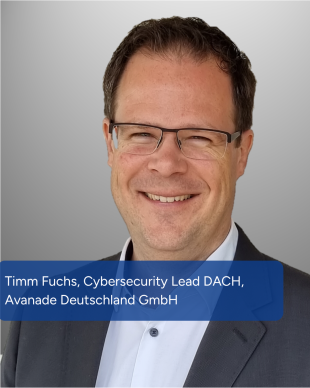
This presentation explains why traditional full-scale recoveries following cyber attacks are often too slow and risky in practice. Instead, it introduces the ‘Minimum Viable Company’ approach, whereby businesses specifically prioritise only business-critical systems in order to quickly regain operational capability.
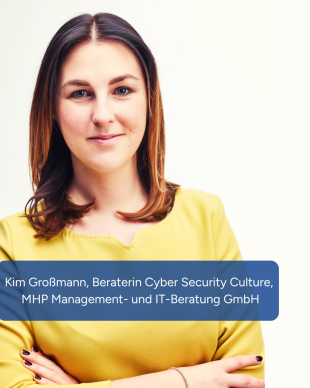
Artificial intelligence is fundamentally changing the cyber threat landscape: attackers are using AI for automated phishing campaigns, deceptively realistic deepfakes and highly personalised social engineering campaigns.
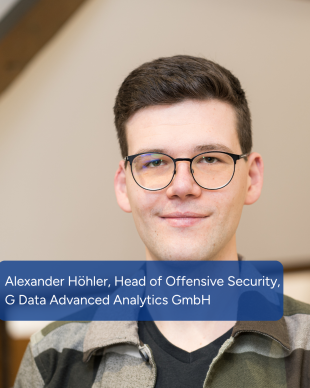
How is it possible to gain unauthorized access to the premises of a water treatment plant, energy utility, or industrial facility despite extensive security measures? Using real, anonymized case studies, this presentation demonstrates how physical penetration tests are conducted in practice and what vulnerabilities they reveal. Participants will gain fascinating insights into an attacker’s perspective and will be actively involved in analyzing the cases presented through interactive polls and scenarios. This will highlight why it is not just technology, but above all processes, security culture, and human behavior that determine the success or failure of an attack. In addition to compelling real-world examples, the focus will be on the insights gained and concrete recommendations for improving physical security.
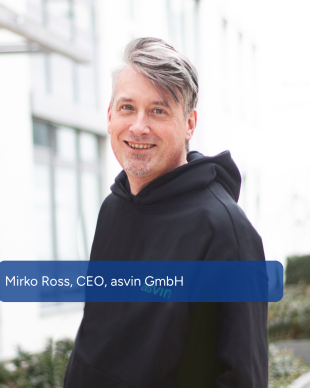
This presentation examines the current attack vectors targeting AI agents, the resulting risks to IT security, and how these can be addressed.
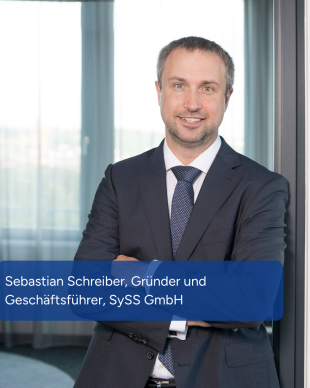
Sebastian Schreiber, founder and CEO of the IT security company SySS GmbH in Tübingen, demonstrates in a live hacking session how IT networks can be taken over, passwords cracked, antivirus programs bypassed, and data stolen. He shows how attackers can spoof calls, forge text messages, and steal photos from cell phones. He also demonstrates how easily and quickly modern wireless keyboards, encrypted storage devices, and fingerprint-protected USB drives can be hacked. In addition, he shows how hacking smart thermostats can be used to manipulate household and other IoT devices, all the way up to industrial control systems.
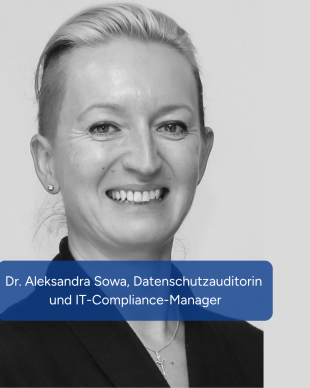
he presentation highlights the similarities, differences and synergies between the various reporting regimes, as well as ways to make them more effective. It also looks ahead to upcoming developments – such as those brought about by the Cyber Resilience Act (CRA) or the Cyber Defence Act.
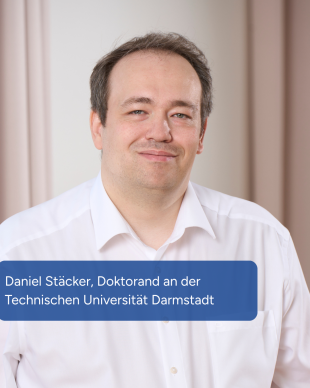
The presentation provides an overview of the phenomenon of doxing and highlights risks as well as possible protective measures for organisations and individuals.
Starting with a brief overview of social and geopolitical developments, we will first examine the ‘classic’ threats to digital sovereignty: cybercrime and espionage. We will then turn to home-grown problems such as underfunded open-source software, the monocultures of American tech conglomerates, global dependencies, and Europe’s role in the age of AI.
What and who are we actually defending our data against? How does a cybercriminal choose their victims? Philipp Frenzel and Merlin Stottmeister offer an insight into the depths of the darknet.
This presentation outlines what has actually changed in regulatory terms, who the new requirements affect, and why information security and risk management structures in particular must now be demonstrated to be robust.
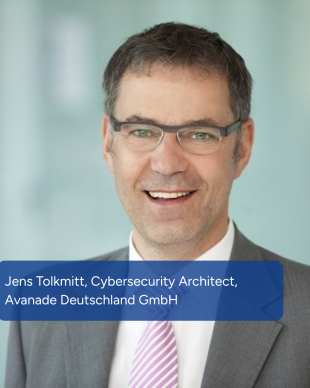
Using concrete examples, the presentation explains how a secure restart of the IT and production environment can be prepared in a structured manner.
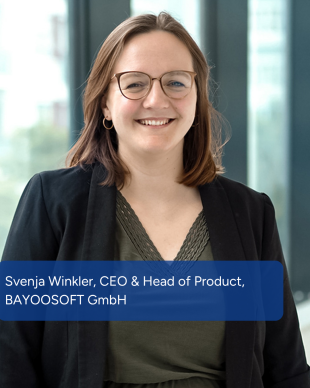
This presentation demonstrates why compliance cannot stop at policies and audits, but must be effectively integrated into day-to-day security operations. Using examples from access control and identity and access management, it illustrates how continuous compliance helps ensure that responsibilities, controls, and evidence remain manageable over the long term.
Plan your visit to the trade fair!